Paint Correction · Bellevue & Seattle

Level the defects. Bring back the reflection.

Machine correction removes the swirl marks, wash marks, water spots and oxidation that scatter light — so the panel reflects cleanly instead of looking hazy.

Get a Correction QuoteBook an Inspection
What it is

What is paint correction?

Paint correction is the process of removing scratches and defects from your vehicle’s clear coat. Think of it as a powerful, staged polishing treatment.

Your vehicle goes through a lot — roadside debris, overhanging branches, harsh weather and run-ins with other cars. Even the most thorough wash and wax cannot fix the marks those leave behind, because they sit inside the clear coat rather than on top of it.

Correction physically removes a microscopic layer of clear coat so the defect is gone rather than filled in. That is why the gloss lasts: the surface itself is level again.
Paint correction fixes

  • Micro scratches
  • Water spots
  • Swirl marks
  • Surface defects in the clear coat
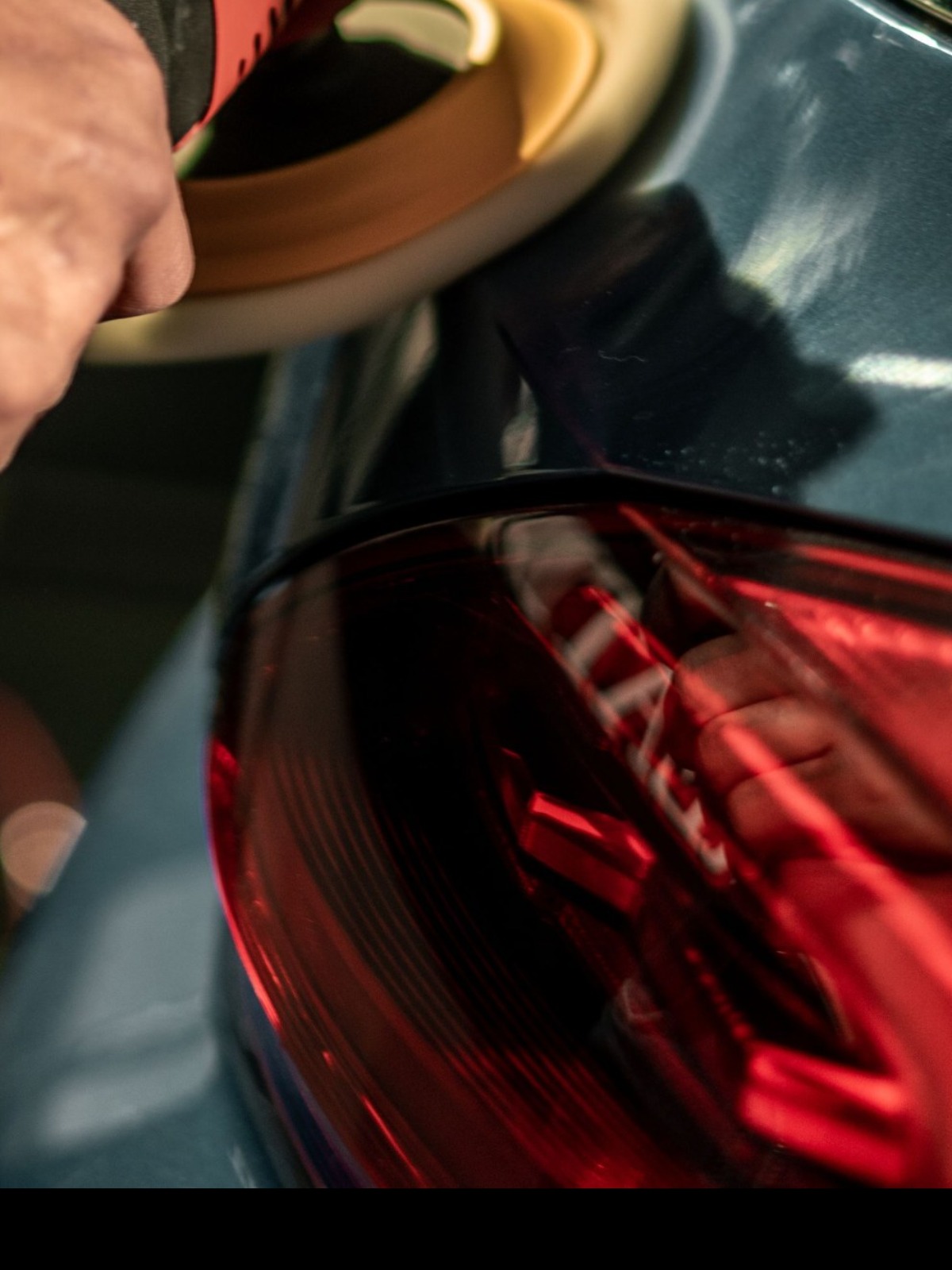
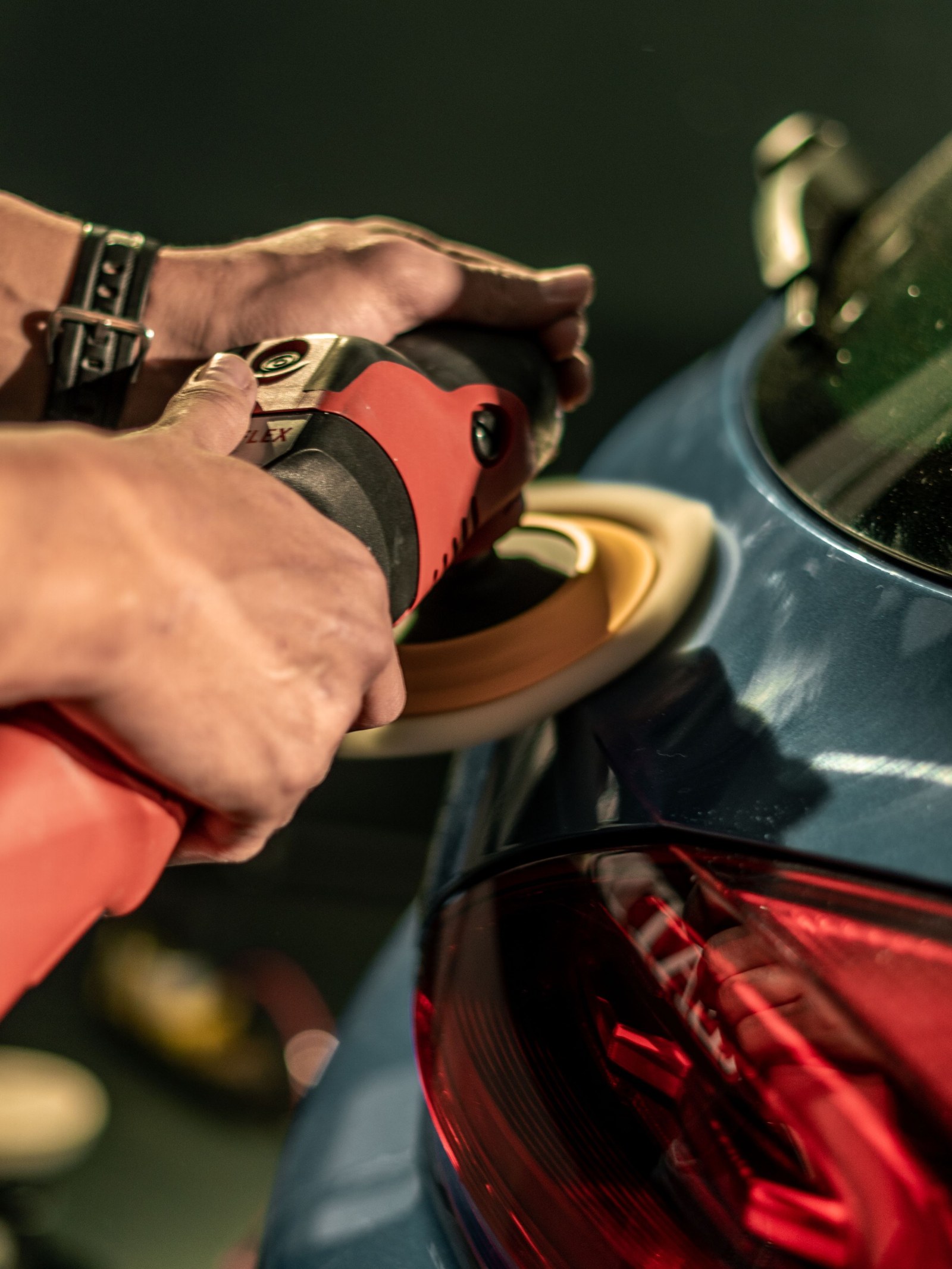
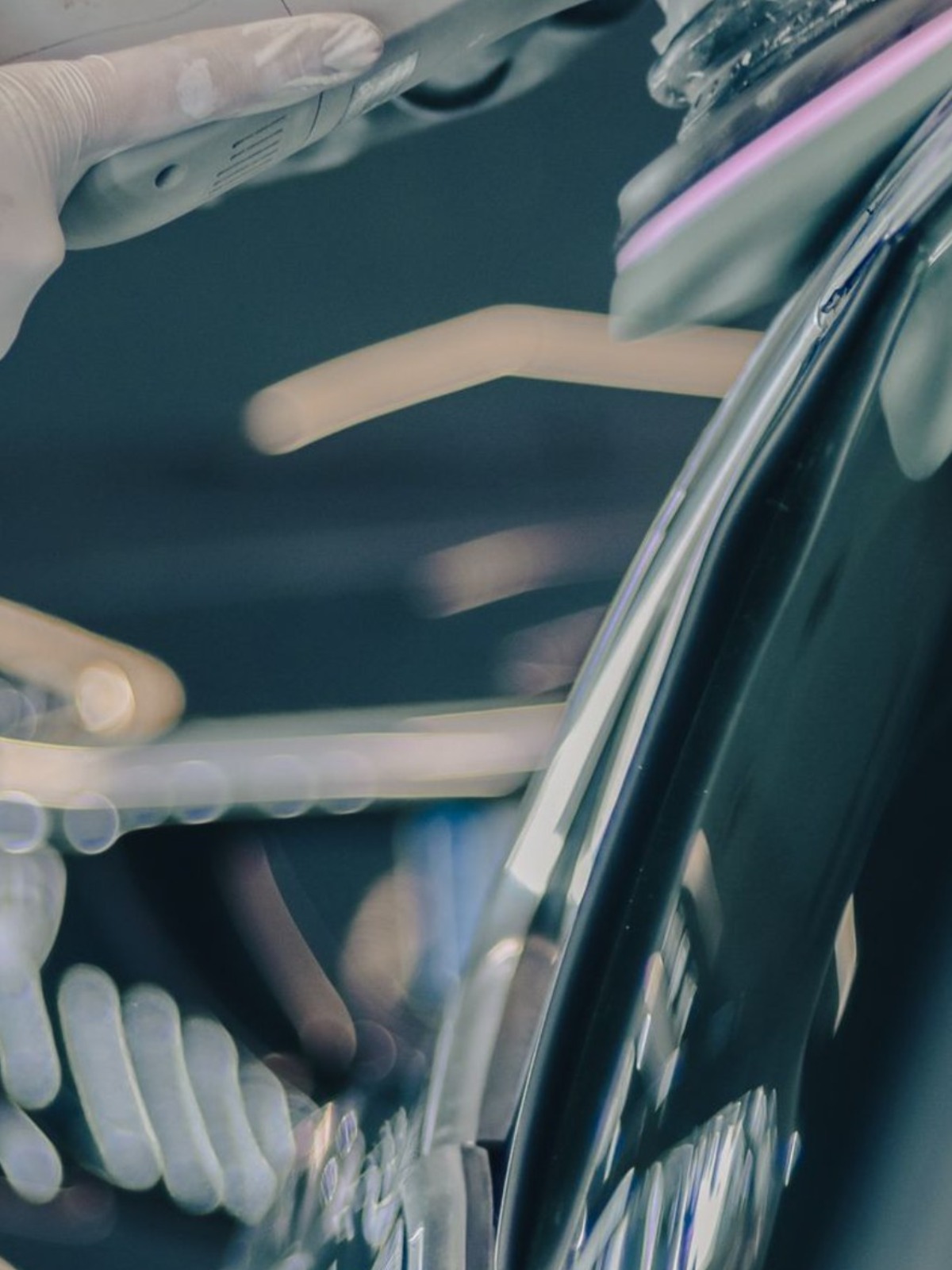
Machine polisher cutting pad levelling a vehicle clear coat
Polish, wax or correction

Why a wax will not fix it

The honest difference between hiding a defect and removing it.

Wax or sealant

Hides the defect

A wax or sealant sits on top of the clear coat and fills light marks so they are less visible. It looks good for a few weeks, then the marks come back because they were never removed.

Paint correction

Removes the defect

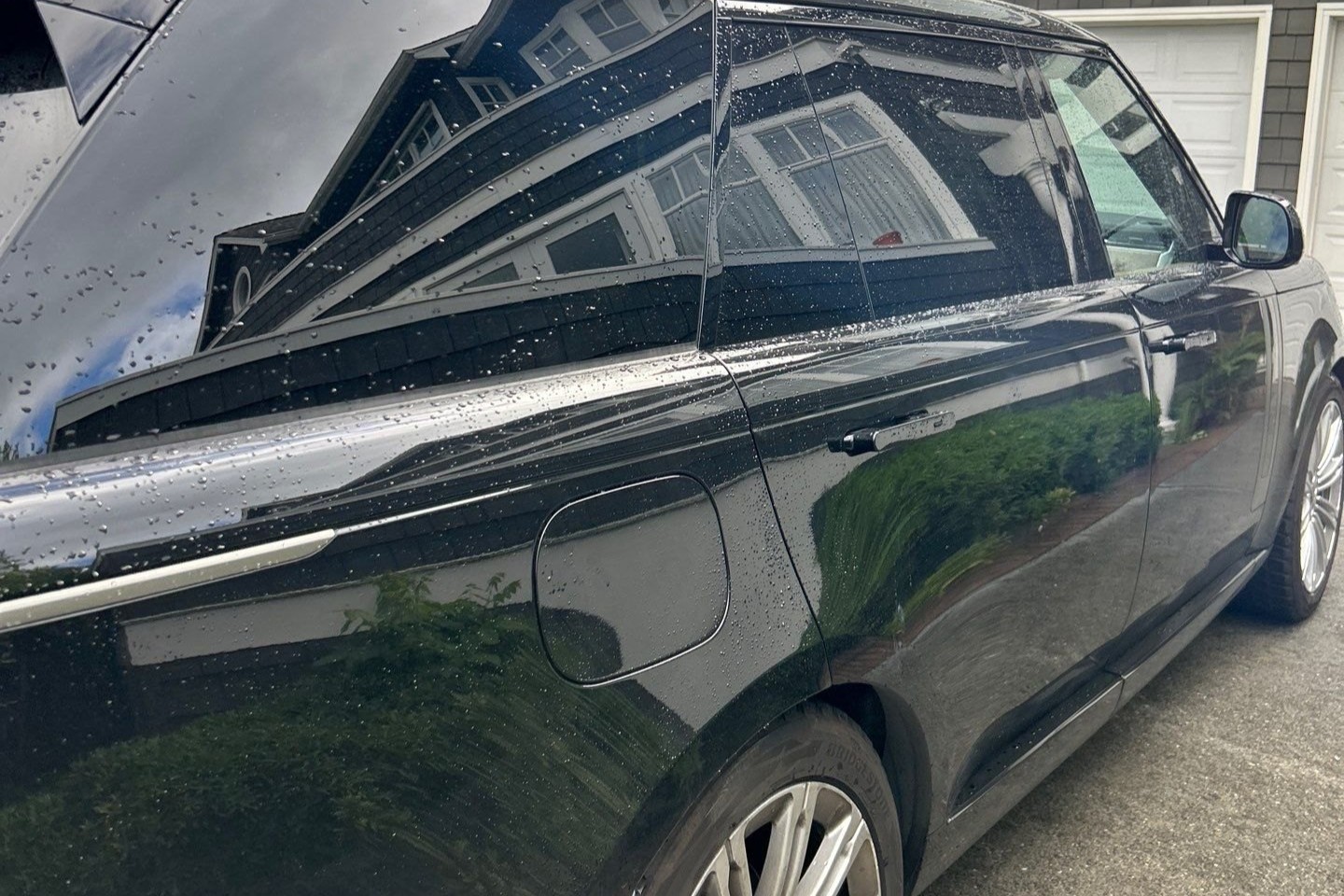
Correction levels a microscopic layer of clear coat so the swirl marks, wash marks and oxidation are physically gone. A corrected finish holds a sharp, undistorted reflection — window frames, hedges and rooflines stay readable in the paint.

The passes

What machine correction actually involves

Correction is machine work done in stages. A cutting compound levels the deepest wash marks and oxidation, then a refining polish removes the light haze the cutting pass leaves behind.

Stage one
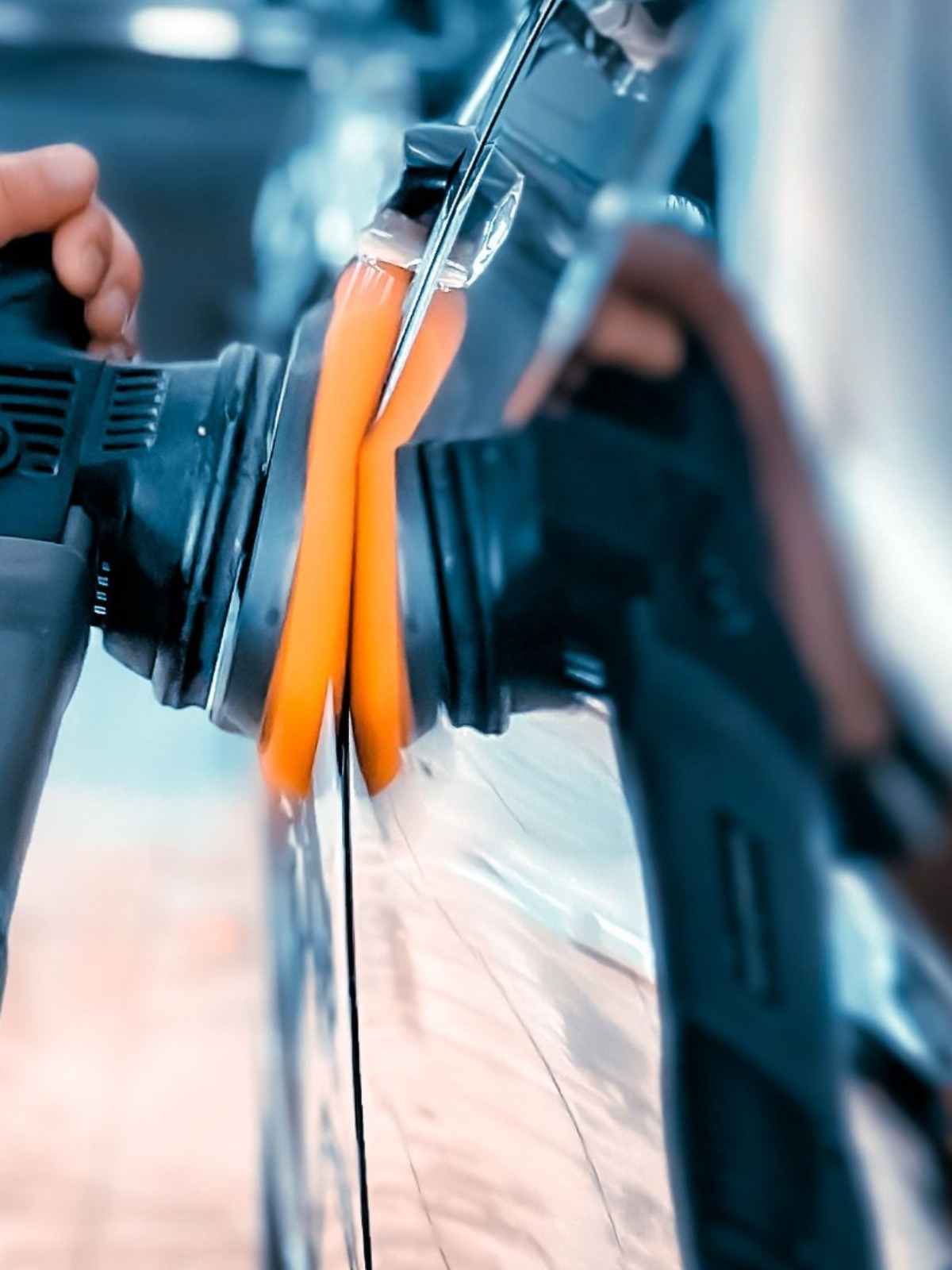
Compounding pass with a machine polisher on a vehicle panel

The compounding pass. A cutting pad and compound level the deepest defects in the clear coat.

Stage two
Refining polish pass removing haze from a glossy vehicle panel

The refining pass. A finishing polish removes the haze left by cutting and restores full clarity and gloss.

Foam polishing pad working across a dark rear panel beside the taillight
Our method

The cut and buff process

Cut and buff uses a microfibre or foam pad with a cutting compound to work into the clear coat. Each pass goes a little deeper until the defects are gone.

We run one to five passes depending on the condition of the paint, and our team recommends the number your finish actually needs after inspecting it under dedicated lighting — so you are not paying for stages that will not change the result.

With five passes of cut and buff we guarantee that 95% of your vehicle’s clear coat scratches will be removed.

  • Light swirls from automatic washes usually respond to a single stage
  • Heavier oxidation and water spot etching need compounding plus refining
  • Paint is inspected under dedicated lighting before we quote
  • Scratches through the clear coat are called out honestly, not polished at
Why correct the paint

Three reasons owners book it

We recommend paint correction to owners who care how the car looks and what it is worth.

Enhances resale value

A defect-free finish presents as a well-kept car. Correction restores the original appearance, and that shows up in what a buyer or lease inspector is willing to accept.

Improves appearance

Correction does not just remove marks, it leaves a deep, glossy finish that holds a clean reflection in flat Pacific Northwest light.

Restores quality

Levelling the clear coat improves its longevity and protects the factory paint underneath. Followed by routine maintenance, the car keeps looking right for years.

Results from our own shop

A finished correction on black paint

Correcting paint means levelling the swirl marks and oxidation that scatter light. The test is simple: a corrected finish holds a sharp, undistorted reflection.

Sharp reflection of a house and hedge held in the corrected black paint of a Range Rover

A finished Eco Car Cafe job on a black Range Rover. The doors and glass hold a sharp reflection of the house, hedge and roofline.

What to expect

How a correction booking runs

Correction work is measured in hours of machine and hand labour, not minutes. Here is the sequence.

01

Inspection

We assess the severity of the damage to your clear coat under dedicated lighting and confirm how many passes it needs.

02

Hand wash

The vehicle is hand washed so no grit is dragged under a pad during the correction.

03

Decontamination

Iron removal and a clay bar treatment strip bonded contaminants before any machine work starts.

04

Cut and buff

One to five passes of cut and buff, with the number recommended by our team based on the condition of the paint.

Common questions

Paint correction questions we answer every week

What is the difference between paint correction and a polish or wax?

A wax or sealant sits on top of the clear coat and hides light defects for a few weeks. Paint correction physically removes a microscopic layer of clear coat so the swirl marks, wash marks and oxidation are gone rather than filled in. That is why the gloss lasts: the surface itself is level again. A regular exterior detail and wash maintains that finish afterwards.
How do I know whether my car needs a single or multi stage correction?

It depends on how deep the defects are. Light swirl marks from automatic car washes usually respond to a one stage cut and buff. Heavier oxidation, water spot etching or years of improper washing may need a compounding pass followed by a refining polish. We inspect the paint under dedicated lighting before quoting so you are not paying for stages your finish does not need.

Will paint correction remove every scratch?

Not always, and we would rather tell you that up front. If a scratch has broken through the clear coat into the base coat, no amount of polishing will restore it and body shop work is the honest answer. As a rule of thumb, if you can catch the scratch with a fingernail it is likely too deep to remove completely, although we can often soften how visible it is.

Should I add a ceramic coating afterwards?

Paint correction is the ideal time to do it. Once the paint is level and free of defects, a ceramic coating locks in that condition and makes the surface far easier to keep clean through a Pacific Northwest winter. Owners who want physical protection against rock chips on I-5 or I-405 often add paint protection film to high-impact panels at the same time.

How long does the process take?

Correction work is measured in hours of hand and machine labour, not minutes. A single stage on a mid-size sedan is typically a full day, while multi stage work on a large or badly weathered vehicle can run longer. Because the paint has to be decontaminated and taped off first, we do not rush the schedule, and we will give you a realistic completion window when you drop the car off.

How much does paint correction cost in Seattle and Bellevue?

Pricing is quoted per vehicle because paint condition varies so widely. Size, colour, paint hardness and the number of stages required all affect the figure. Send us details through our get pricing form for a written quote, or book an appointment to have the paint assessed in person at our Bellevue or Seattle location.

Contact us for a paint correction quote

Proudly serving Seattle, Bellevue, Everett, Renton, Issaquah & surrounding areas.