
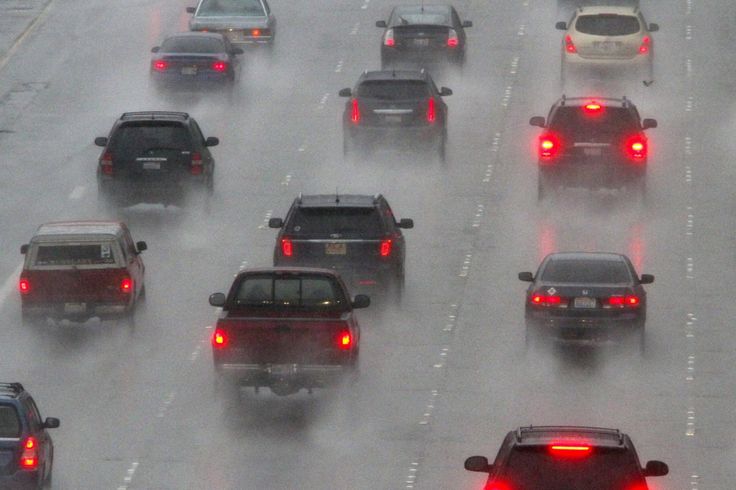
Seattle is known for its rain, but many drivers are surprised to learn that rain alone isn’t harmful to your car’s paint.
In fact, Seattle’s rainwater is often very clean due to the region’s proximity to the ocean and the abundance of surrounding trees that help maintain good air quality.
The real issue happens when rainwater mixes with road grime on the pavement.
When your car drives through wet roads, water picks up dirt, oil, and debris from the surface and splashes it onto your vehicle. Once that mixture lands on your paint, it can stick surprisingly well — almost like glue.
That’s why many Seattle drivers notice their vehicles getting dirty very quickly even when it rains frequently.
Why Road Grime Sticks to Your Car’s Paint
Road surfaces naturally collect contaminants such as dirt, oils, brake dust, and rubber particles from tires.
When rainwater mixes with these materials, it creates a thin film of grime that spreads easily across your vehicle’s paint.

Once the water evaporates, the contaminants remain on the surface, forming a stubborn layer of dirt.
Without protection, this grime can:
- Bond to the paint surface
- Make your car look dull or dirty faster
- Become harder to remove during washing
Because car paint has microscopic texture, these particles can cling tightly to the surface, making routine cleaning more difficult.
Why Cars Get Dirty Faster in Rainy Climates
Many people assume rain helps clean their car, but in reality it often does the opposite.
Instead of rinsing the vehicle off, rainwater usually transports contaminants from the road onto your paint.
As vehicles drive through wet roads, road spray spreads that grime across the sides, rear panels, and bumpers of your car.
This is why cars can appear even dirtier after driving in rainy conditions.
Without a protective layer on the paint, the mixture of dirt and water can cling strongly and build up quickly.
How Ceramic Coating Protects Your Car’s Paint
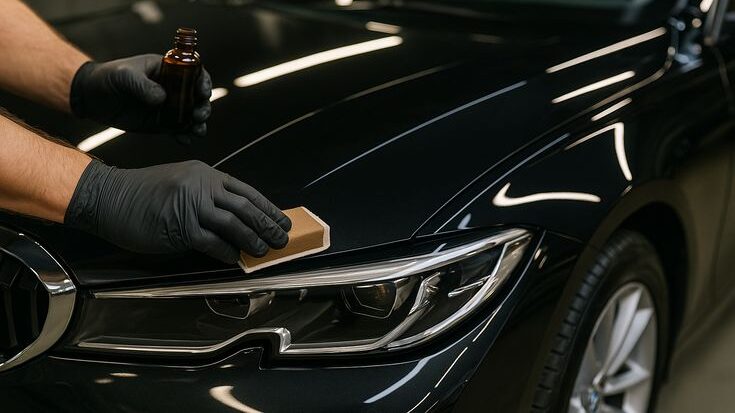
One of the most effective ways to protect your vehicle in rainy environments is ceramic coating.
Ceramic coating forms a durable protective layer on top of your paint that is extremely hydrophobic, meaning it repels water.
This hydrophobic effect helps prevent road grime from sticking.
Benefits include:
- Water beads and slides off the surface
- Dirt and grime have difficulty bonding to the paint
- Road spray washes away more easily
- Your car stays cleaner for longer
Instead of grime sticking like glue, contaminants are far more likely to slide off the surface when rinsed or washed.
How Premium Wax Helps Prevent Dirt Buildup
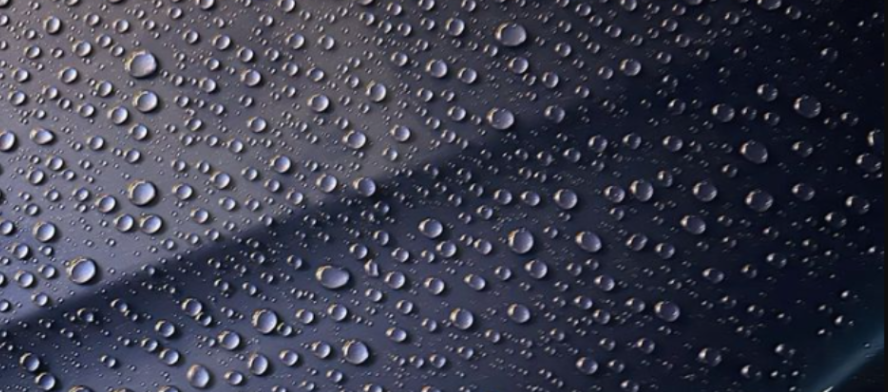
For drivers who want excellent protection without a long-term coating, premium car wax is another effective option.
High-quality wax creates a smooth barrier on top of the paint that helps prevent contaminants from bonding directly to the surface.
Premium wax can help by:
- Creating a slick protective layer
- Reducing how strongly dirt sticks to paint
- Improving water beading during rain
- Making your car easier to wash
Although wax doesn’t last as long as ceramic coating, it can still provide months of protection against road grime buildup.
Protecting Your Car’s Paint in Seattle
Seattle rain itself is not the problem for your vehicle’s paint.
The challenge comes from road grime mixing with rainwater, creating a sticky film that clings to unprotected paint surfaces.
By applying protective treatments like:
you can dramatically reduce how much grime sticks to your vehicle.
With the right protection, your car’s paint will stay cleaner, glossier, and easier to maintain, even during Seattle’s rainy months.
Professional Paint Protection at Eco Car Cafe
Don’t let the Washington winter dull your ride. At Eco Car Cafe, we specialize in protecting vehicles from the unique environmental challenges of the Northwest. Whether you choose a long-lasting ceramic coating or a high-end professional detail, we ensure your car stays glossier and cleaner between washes.
Book your appointment at an Eco Car Cafe location near you today!
Frequently Asked Questions
1. Does Seattle rain damage car paint?
No. Rain itself typically does not damage car paint; problems occur when rainwater mixes with road grime, oils, and debris that stick to the surface.
2. Why does my car get dirty when it rains?
Rainwater lifts dirt and contaminants from the road and splashes them onto your vehicle, leaving behind a film of grime once the water dries.
3. Does ceramic coating help protect cars in rainy climates?
Yes. Ceramic coating creates a hydrophobic layer that repels water and helps prevent road grime from sticking to your paint.
4. Can car wax prevent dirt from sticking to paint?
Premium car wax adds a protective barrier that reduces how strongly dirt and grime bond to the paint surface.
5. Is ceramic coating better than wax for rainy weather?
Ceramic coating usually lasts longer and provides stronger water repellency, but both wax and ceramic coatings help reduce grime buildup.
References
- National Institutes of Health. (2025). Development of car coating materials for paint protection applications: An overview on types of paint protection. PubMed Central.https://pmc.ncbi.nlm.nih.gov/articles/PMC12694507/
- Society of Automotive Engineers. (n.d.). Environmental effects on automotive finishes. SAE International.https://www.sae.org/
- U.S. Environmental Protection Agency. (n.d.). Study of the effects of acidic pollutants on automotive finishes. National Environmental Publications Information System.https://nepis.epa.gov/
- Wikipedia contributors. (2024, December 10). Hydrophobic effect. In Wikipedia, The Free Encyclopedia.https://en.wikipedia.org/wiki/Hydrophobic_effect