
Compound or Polish: How to Choose the Right One for Your Paint
Ben Updated July 31, 2026· 3 min read
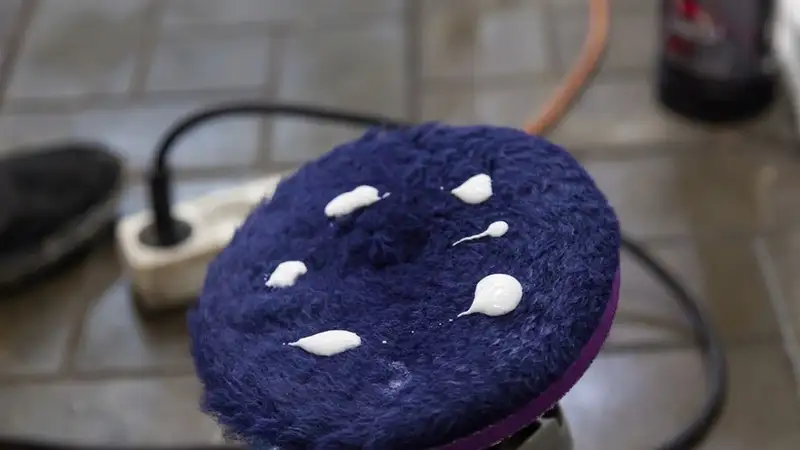
No single polish works on every car. Paint can be hard or soft, thick or thin, cared for or neglected for years. That is why the smart question is not which product is best. It is how to find the right combination for your paint.
Know the difference first
Compounds carry larger abrasives. They cut fast and remove deeper defects. Polishes carry finer abrasives. They cut less and refine the finish to a high gloss.
The product is only one part of the system. The machine and the pad change how aggressive it feels. A polish on a firm cutting pad can act like a compound. A compound on a soft pad can behave like a polish.
Whichever you choose, polishing removes clear coat. It cannot be put back. That is the reason for the next rule.
Start gentle, then step up
Begin with the least aggressive setup that could work. You can always take a little more. You can never return what you have removed.
- Machine: a dual-action polisher. It oscillates as it spins, so heat and force spread out. It is far more forgiving than a rotary.
- Pad: a medium-cutting foam pad. It has enough bite to correct, without the aggression of a heavy-cutting pad.
- Product: a fine polish. It clears light swirls and lifts gloss, and it leaves room to step up.
Run a test spot
Pick a small area, about two feet square, on a panel you can see easily. Work it with slow, overlapping passes. Use only a few small drops of product. Wipe the residue off with a clean microfiber towel.
Now inspect the result. Use a strong light and look from several angles. For the final word, take the car into direct sunlight. Compare the spot with the untouched paint beside it.
Change one thing at a time
If swirls remain, step up in this order. Change only one variable per attempt, so you know what made the difference.
- Keep the machine and pad. Move to a stronger polish or a compound.
- Keep the compound. Move to a firmer or more aggressive pad.
- Only then consider a rotary polisher, and only if you have the experience to use it safely.
Once the defects are gone, you can finish with a fine polish on a soft pad for extra depth. If you cannot see a difference, skip that step.
Set realistic expectations
Polishing smooths the paint around a scratch. It does not fill it. A scratch that catches your fingernail is probably too deep to remove safely. Chasing it can cost you clear coat.
Aim for the best finish your paint can safely give, not perfection. Know when to stop.
What this guide leaves out
Choosing a combination is one piece of the job. Machine technique, prep and aftercare matter just as much. Wash and decontaminate the paint first, tape off trim, and protect the finish when you are done. The wrong combination, poor technique or rushed prep can damage paint permanently.
Not sure which compound your paint needs?
The wrong abrasive costs you clear coat that does not grow back. If you would rather not risk it, see our paint correction service, then lock the finish in with a ceramic coating. Get my quote for your car.


