
If your weekends are spent chasing trailheads, lake access roads, and last-minute campsites, your car works a lot harder than the average commuter vehicle. Gravel roads, tree sap, mud, and long hours parked under direct sun all take a toll on your paint and interior. Knowing the right car care tips for outdoor enthusiasts and campers can mean the difference between a vehicle that ages gracefully and one that shows every trip on its finish.
You don’t need a garage full of products to keep your car in good shape between adventures. You just need to understand what outdoor conditions actually do to your vehicle, and which habits protect it.
Why Dirt Roads and Trail Dust Are Harder on Paint Than City Driving
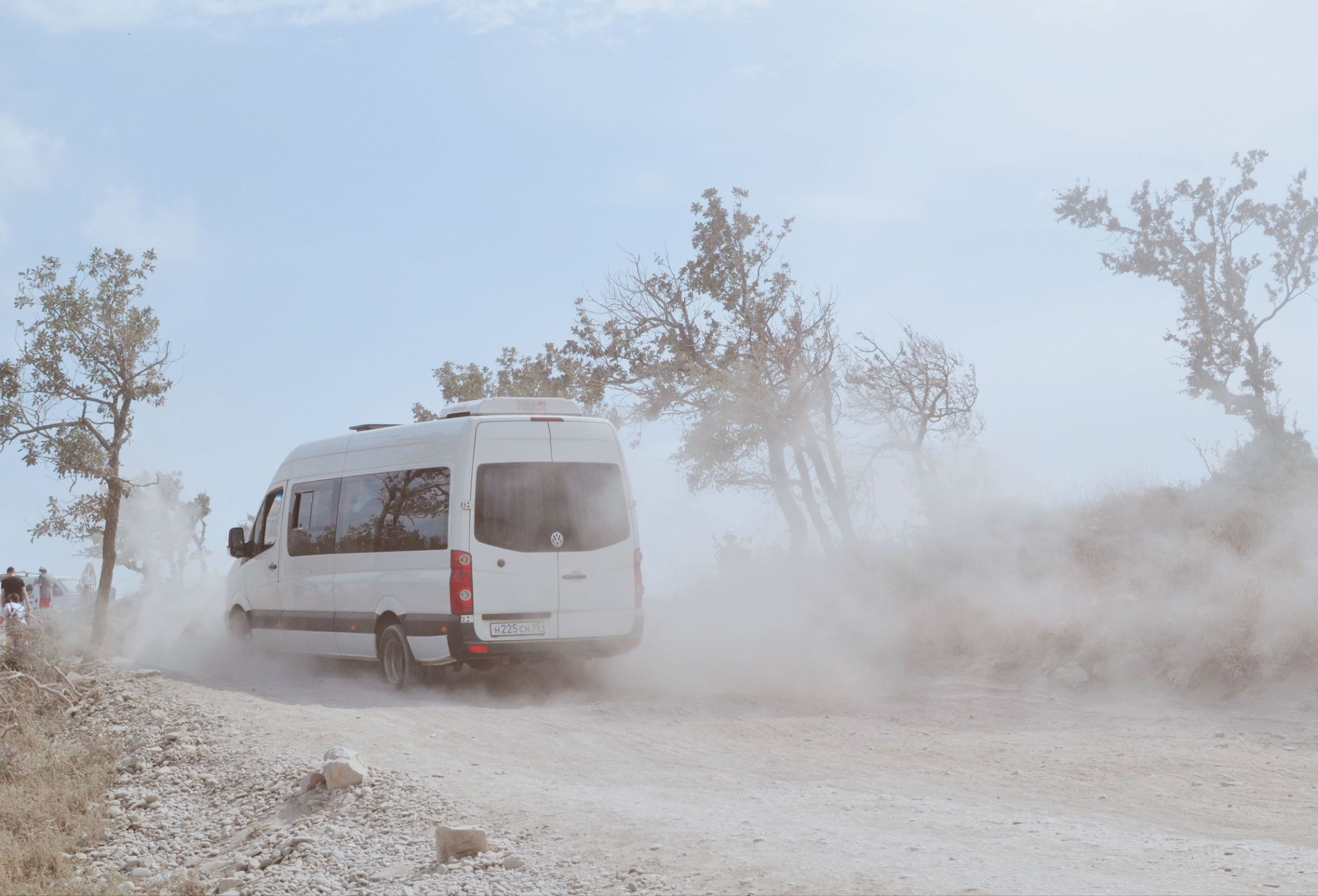
Dust from gravel and dirt roads isn’t just cosmetic grime. It’s made up of tiny mineral particles that can act like sandpaper when they sit on your paint or get wiped away carelessly. Combined with road grime from wet trailheads, this buildup slowly dulls your clear coat and creates fine scratches you might not notice until the sun hits your hood just right. This is similar to how Seattle’s rain and road grime affect your car’s paint, just with dust standing in for moisture.
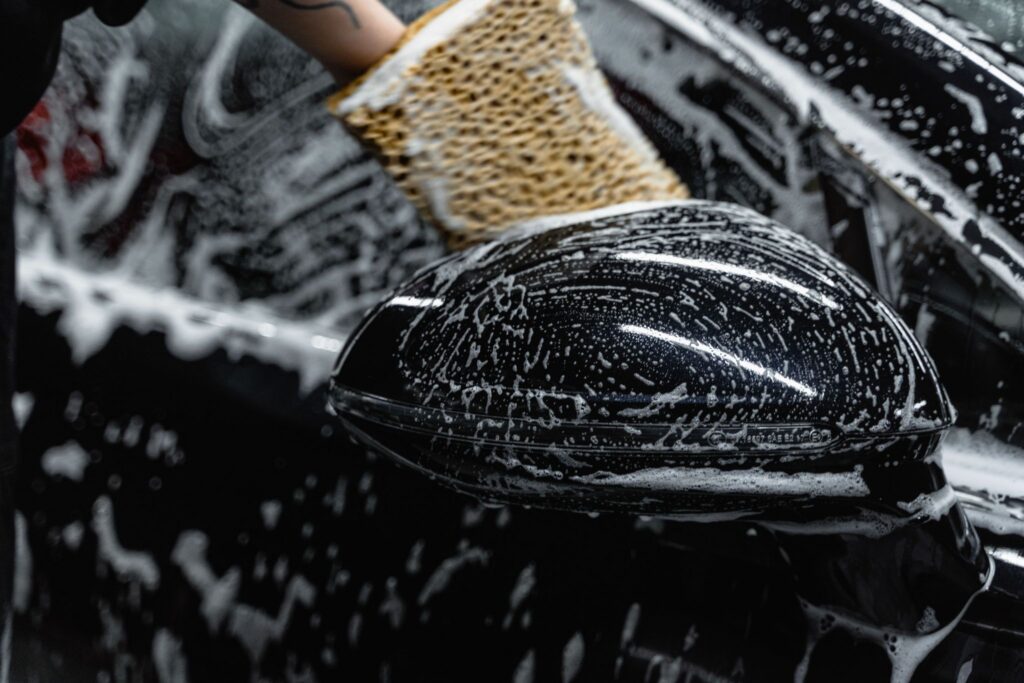
The fix isn’t complicated. Rinse your vehicle as soon as you can after a dusty drive, and avoid dragging a dry towel across the surface. A gentle two-bucket wash removes abrasive particles before they have a chance to grind into the clear coat.
Washing Your Car After Off-Road Adventures the Right Way
After a weekend of dirt roads or beach access trails, your car needs more than a quick spray-down. Mud, salt, and organic debris tend to hide in wheel wells, rocker panels, and around trim pieces. Taking the time to wash your car yourself properly, working from the top down and rinsing frequently, prevents you from just moving dirt around the surface.
If you’re camping somewhere without easy access to a hose, it helps to know that waterless car washes offer real environmental benefits without sacrificing a clean finish. These products are worth keeping in your camping kit for exactly this reason.
Be careful with pressure washers at campground wash stations, too. Used at the wrong angle or distance, they can force water past seals or strip wax layers, and it’s worth understanding whether a pressure washer can damage your paintwork before you use one you’re unfamiliar with.
How Clay Bar Treatment Helps After Dusty Trips
Even with regular washing, embedded contaminants like tree sap, road tar, and fine dust particles can bond to your clear coat. This is where a clay bar treatment for car detailing becomes useful. Running a clay bar over your paint after a season of trail driving lifts out what a normal wash leaves behind, leaving a smoother surface that’s easier to protect going forward.
Outdoor enthusiasts who put a lot of miles on gravel or forest service roads often benefit from doing this a few times a year rather than once.
Why Ceramic Coating Makes Sense for Adventure Vehicles
If you’re regularly exposing your car to mud, sap, UV rays, and mineral-heavy trail dust, a coating that adds a durable barrier is worth understanding. Ceramic coating is often considered the best choice for vehicles that see heavy use, largely because it makes contaminants easier to rinse away instead of letting them bond to bare paint.
That doesn’t mean it’s a magic shield. It still requires proper washing habits and occasional maintenance, but it does reduce how much damage daily exposure causes over time, which matters more for a camping or off-road vehicle than a car that mostly sees pavement.
Dealing with Tree Sap, Pollen, and Sun Exposure at the Campsite
Parking under trees at a campsite feels like the obvious choice for shade, but it comes with sap, pollen, and bird droppings that can etch into paint if left too long. These substances are acidic and can damage clear coat faster than most people expect, especially when baked on by afternoon sun.
If you’re parking in direct sunlight instead, understanding how to protect your car’s paint from sun exposure is just as important. UV rays fade paint and dry out trim over time, so a car that spends its weekends at trailheads and beaches needs more attention here than one parked in a garage.
Cleaning Muddy Interiors and Cargo Areas
Camping gear, muddy boots, and wet dogs don’t stay contained to the trunk. Mud tracks into floor mats, sand works into seams, and cargo areas end up holding more debris than most people realize until they actually look. Regular vacuuming and upholstery cleaning keeps ground-in dirt from becoming a permanent stain.
If you’re traveling with pets, you already know that removing pet hair from seats and cargo liners takes more than a quick brush. And plastic trim around cargo areas tends to fade and crack faster when it’s exposed to dirt and moisture without upkeep, which is where cleaning and dressing plastic trim comes in.
Protecting Headlights and Windows for Visibility on the Trail
Dust and grime don’t just dull your paint. They cloud your headlights and windshield too, which matters more when you’re driving unfamiliar dirt roads at dusk or dawn to reach a trailhead. Headlights exposed to UV rays and trail debris tend to yellow faster, so it’s worth knowing the dos and don’ts of headlight restoration before that haze affects your visibility.
The same goes for windows and mirrors. Streaked or grimy glass makes early morning or foggy drives harder than they need to be, and learning a few professional window cleaning tricks makes a noticeable difference on trips where visibility actually matters.
Seasonal Car Care for Campers and Outdoor Trips
Camping and outdoor driving conditions change with the seasons, and your car care routine should shift with them. Fall trips bring damp leaves and sap, which means preparing your vehicle for fall season is worth doing before your first cold-weather camping run. Spring and summer bring more UV exposure and dust, while winter camping introduces road salt and freezing grime that sits differently on paint than summer dirt does.
Adjusting your wash frequency and protection routine based on the season keeps your car from accumulating damage that’s harder to reverse later.
Choosing Eco-Friendly Products for Outdoor Car Care
Since outdoor enthusiasts already care about the environments they’re driving through, it makes sense that car care habits follow the same values. Choosing eco-friendly car cleaning methods means fewer harsh chemicals running off into soil or waterways near campsites and trailheads, which matters if you’re washing your car anywhere near a lake, river, or forest service road.
This is especially relevant if you’re rinsing off mud or sap using a portable setup rather than a traditional driveway wash.
Keeping Your Adventure Vehicle Protected Between Trips
Outdoor and camping trips put real, cumulative wear on a vehicle’s paint, interior, and trim. Trail dust, sap, sun exposure, and muddy cargo areas all add up faster than they would with regular commuting, which means a slightly more deliberate care routine pays off over the life of the car.
At Eco Car Cafe, professional detailing and ceramic coating services help protect vehicles that spend their weekends off the beaten path, making it easier to rinse off trail grime and keep your car looking and performing well between adventures.
Elevate Your Vehicle’s Protection
Ready to protect your vehicle after every outdoor adventure? Whether your weekends are spent camping, exploring forest roads, or heading to the mountains, Eco Car Cafe helps keep your car looking its best with professional detailing, paint protection, ceramic coating, and interior cleaning services. Our team can remove stubborn trail grime, restore your vehicle’s finish, and apply long-lasting protection so your car is ready for the next trip.
Frequently Asked Questions
1. How often should I wash my car after camping or off-road trips?
Wash your vehicle within 24 to 48 hours after your trip. Prompt cleaning removes mud, dust, sap, and other contaminants before they can damage your paint.
2. Is ceramic coating worth it for vehicles used for camping?
Yes. Ceramic coating helps protect against UV rays, dirt, mud, and tree sap while making your vehicle easier to clean after outdoor adventures.
3. Can tree sap permanently damage my car’s paint?
Yes. If left too long, especially in the sun, tree sap can etch the clear coat. Remove it as soon as possible to prevent lasting damage.
4. What’s the safest way to clean a muddy vehicle?
Rinse off loose mud first, then wash with a pH-neutral car shampoo using the two-bucket method and microfiber wash mitts to reduce scratches.
5. Are waterless car wash products safe for camping trips?
Yes, they’re great for lightly dusty vehicles when water isn’t available. For heavily muddy cars, rinse first to avoid scratching the paint.
References
U.S. National Park Service. Leave No Trace Principles
https://www.nps.gov/articles/leave-no-trace-seven-principles.htm
International Carwash Association. Professional Car Washing and Vehicle Care Resources
https://www.carwash.org/
International Detailing Association. Professional Detailing Standards and Education
https://the-ida.com/
Consumer Reports. Car Maintenance & Repair Guide
https://www.consumerreports.org/cars/car-maintenance-and-repair-guide/